Stand out from the crowd: Arts Fundraising

We all want to stand out from the crowd…
But how?!
Looking to reduce the overwhelm and learn some practical skills for bid writing?
If those forms, spreadsheets, deadlines & word counts. put the fear in you, fear not….
I’ve got you!
“The best news! We were successful with the grant to Paul Hamlyn Foundation - we couldn’t have done it without all your help and support throughout this process”
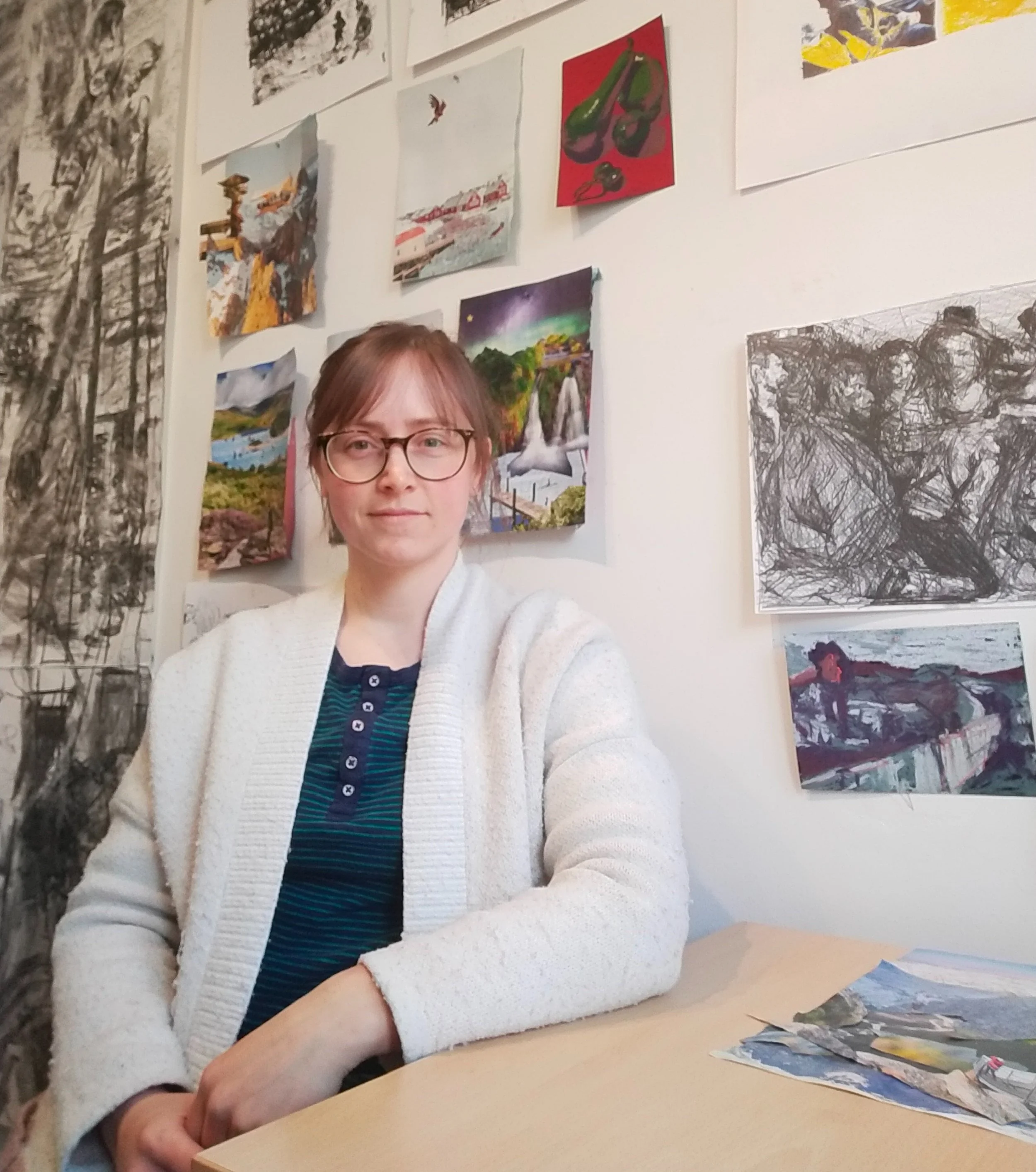
Funding Applications, DYCP & Me
My journey spans 15 years working in the UK arts sector; a place riddled with application forms…
I’ve written funding applications as an Artist and as a Creative Producer
I’ve assessed applications from Artists, creatives and project team members
I’ve supported Artists, creative companies and colleagues to refine bids big and small…..
I’ve got some practical tools and straight talking advice from years as a Producer that you are going to LOVE!
I’m talking “How to….
write a budget
cost your time
write a timeline
answer questions within the word count
It’s the stuff we all need to write any application in any role in the UK arts sector.
I’ve put HOURS into forms, spreadsheets, word documents with awfully small word counts for a million questions; drafted and re-drafted budgets and timelines; plotted how much to pay myself and pay others.
I’ve been successful in my own bids. I’ve been unsuccessful many more times over. I’ve filled in forms for grant support, print fairs, exhibitions, residencies, public funding for large-scale arts programmes, trust and foundations for projects with communities and creative teams; game changing bids to the extraordinary everyday. I’ve seen people shine and I’ve seen people struggle to communicate their brilliance. I’ve made mistakes and I’ve learnt from others.
Don’t get me wrong, I know it’s a lot to write and, what’s more, I know it takes a lot to keep writing regardless of the outcomes each time.
It’s a marathon, not sprit.
You’ve got this!
🙌
People continue to contact me asking about my fundraising experience - sharing their challenges in writing an application and big ideas. I’ve worked with some INCREDIBLE creative teams to support their funding bids; from applications to Arts Council England, National Heritage Lottery and Paul Hamlyn Foundation and local Trusts & Foundations.
I’ve had time to reflect on what I’ve learnt over 15 years and I hope some of those ingredients I used can help shape your recipe for success. What’s more…
I want to share it with YOU!
I want you to succeed
Budgets
〰️
Timelines
〰️
Word Counts
〰️
Costing Your Time
〰️
Budgets 〰️ Timelines 〰️ Word Counts 〰️ Costing Your Time 〰️
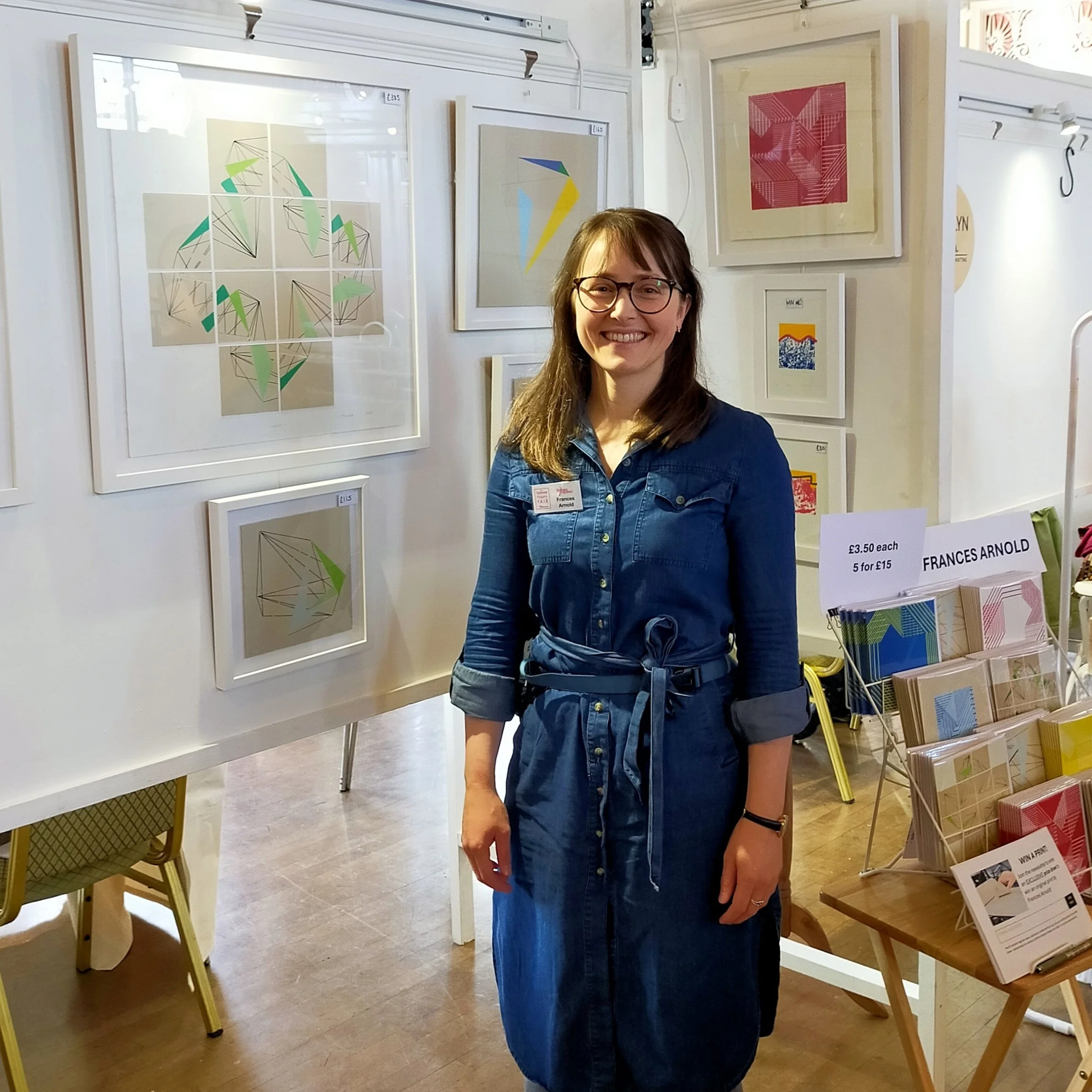
Forms, Budgets, Timelines
The behind the scenes work that gets us here ➡️
✒️+ 📈 = 🎉✨🎉✨🎉✨
1. Budgets
We’re going to need a visual here!
Be methodical, or at least, get everything down on paper and then sort & sift it into an order.
The more your budget can be quickly, easily read and understood by SOMEONE ELSE the more chance you have of explaining the value of your application. You could have a version to suit you first, then adapt it for your application.
Part 1) Title it. Date it. Enough said!
Part 2) Income - name the sources of the income and how much (in total) each source is offering/giving. Add a TOTAL if there’s more than 1 source
Part 3) Expenditure - break down the costs associated with your application into Themes*. If you love research & detail, get yourself a ‘back sheet’ that contains all the costings. The budget is a summary. For example, everyone’s travel, accommodation & meals call all go into one line titled Travel & Expenses.
Cross check with your written narrative - last, but by no means least, have you costed EVERYTHING that you’ll have to pay for to achieve EVERY part of your idea / plan? It’s so easy to forget something or to assume it’s clear that you’re NOT asking for money for something in your plan.
1.b Costing Your Time & Others
The BEST advice is… go to the experts!
A-N Rates of Pay: Brilliant reference point for lots of people, especially Artists & Organisers
Artists’ Union England: Specialises in Artists rates, including different types of work Artists undertake
ITC: Ideal for Theatre practitioners, most roles
There will likely be rates of pay via unions & membership bodies etc. in your area of the arts (if not via those listed here) so check them out first.
Of course you can take a more personalised look at it.
I live the North East of England; I’m fully aware of what limitations are placed on us by our geographical context! I don’t charge London rates, but I don’t have London overheads. I’ve learnt what the market can afford and I’ve been honest with myself about what I need to earn; I’ve flexed, adapted and changed. I’ve also tailored fees and costs to the organisation!
Value other people’s time and you do more than pay people fairly; you build trust, relationships and ultimately raise the bar for the whole sector. Pay a fair fee for the hours or days they will actually put in to deliver this work for/with you and add in any expenses. Check they are/are not VAT registered. When I wrote £50 fee (per hour) for artists having a zoom call with me during my DYCP research/networking time, I was confident asking them for their time and support as I knew I had something to offer them in return. After all, they were sharing their knowledge and time with me. P.S. I paid myself for each 1 hour call too.
✒️
+
📈
=
🎉✨🎉✨🎉✨
✒️ + 📈 = 🎉✨🎉✨🎉✨

Feeling like you need a little extra support?
Book a one-to-one csession with me that’s all about YOU!
Join me on Mondays from January - March 2026 for a one-to-one call that supports your fundraising ideas and applications!
Pre Call
I will contact you to find out more about your fundraising, research you or your organisation, and prepare questions and creative ideas to discuss on our call.
During Call
In our session, we’ll dive into your application(s) on a 60 minute, recorded call. I’ll ask open questions and share tailored creative ideas and strategies for us to refine together that support you to clarify your thinking
Post Call
Within 72 hours, I’ll send you a summary of our conversation, connections we’ve identified that support your next steps and key actions to realise your goal
£150
Mondays from 5 January to 2 March 2026
10am / 11am / 2pm / 3pm
“Fran has a real gift for reflecting your ideas back in a way that helps them grow into something stronger. When I asked Fran for advice on my DYCP application and we jumped on a call, I immediately knew I’d come to the right person. ”
2. Timelines
Grab the FREE tool to guide you!
Be methodical, or at least, get everything down on paper and then sort & sift it into an order. Yep, it’s still the best way!
See it like mapping your written narrative into chunks of time or key moments.
Examples:
1. You’ve planned 2 training courses in your DYCP application: write the dates of both against the months they take place in (columns) and give them an overarching heading (rows) like ‘Training’
2. You’ve planned to meet with 10 people during 6 months of your DYCP application, but you’re not sure exactly when and/or who just yet: Your heading might be Networking (row) and you block out April to September (columns) to show it’s ongoing across that timeframe.
Not to repeat myself (again!), but… cross check the timeline with your written narrative. Have you accounted for ALL the activity you’ll need to do to make, deliver and reflect on the activity you’ve got planned?
Be realistic. Check you’re other commitments/capacity. If in doubt, write out the time per task you’ll need to achieve it.
Looking back at my DYCP timeline, my application was roughly ‘right’. The reality of delivery meant I had to shift and adapt, especially as I needed to do a lot of my work when other people where available to meet / support / offer training… I still did what I planned to.
PRO TIP: Use your application timeline during delivery so it’s like a working document. It’ll keep you on track but it’ll also be a record of what’s working, what isn’t. So much easier to do reporting when you see your time laid out like this!
3. The Dreaded Word Count
Get it all out first; get it out of your head, write words (any words) on paper, draw it out. Forget the word counts. At first, no one knows exactly which words are the best ones to simultaneously express our ideas, meet the funding requirements and match the word count!
Start to refine it…. not in relation to word count, but in relation to what you really mean. Get to the essence and the word count will follow.
Shift words around. Move sentences / paragraphs between answers to different questions; is it more useful elsewhere? Did you say the most powerful thing last?! Move it to the start!
Did you write something in long form, which could be said in half the words? Now you’ve got all the words out, and honed the essence, you might simply be cutting out words or trimming down sentences to reduce the word count.
The Character Count!! First, double check - is it word count or character count? Then assume, either way, the online form’s counter will NOT match your document’s counter!
PRO TIP: Make the most of character counts by replacing words like ‘and’ with ‘&’ and avoid repeating the same thing twice.
✨
✨
BONUS: Shine!
Be direct, to the point. Avoid clouding your BRILLIANCE with extra words or too much information.
Imagine someone reading it is having a busy day with all the extras life throws at us, just like you…. be bold, catch their attention; say what is the most important.
Lead with your big ideas, the driving force for doing this activity/work, and the biggest impact it will have on you and/or others.
Then, DOUBLE CHECK it meets the funders’ core aims or intended outcomes. You might even replace some of your words with their words of the intended aims / outcomes - it reinforces that do you mean the same thing as each other.

Book a one-to-one to help you shine!
Mondays from 5 January to 30 March 2026
10am / 11am / 2pm / 3pm
£150 (inc. 60 minute call)
“Frances was so clear and knowledgeable in her advice about my DYCP application, she listened carefully to what I had to say and responded with really useful feedback. Thank you Fran.”
I am not affiliated with any funding body, in any way. All information I share here is done so in good faith, based solely on my personal and professional experience over15 years as an Artist and Creative Producer in the arts sector.
Copyright: Frances Arnold, 2025